


 108
/
3
Min Read
108
/
3
Min Read


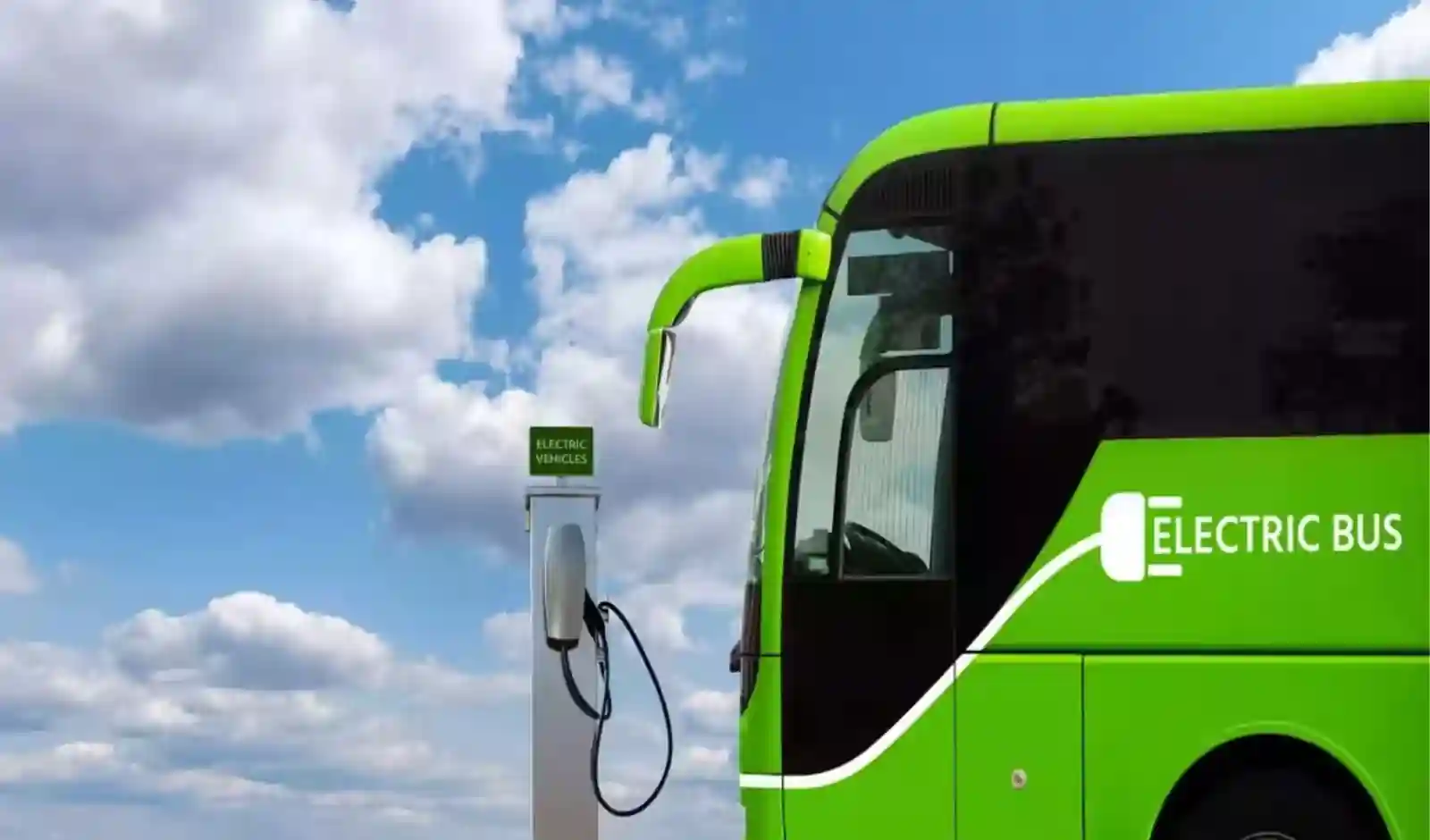
Electric bus penetration in India medium and heavy vehicle segment is expected to increase to around 30% by 2029-30 from the current level of about 7%, according to rating agency ICRA. The agency attributed the expected growth to continued government policy support and favourable cost economics of electric buses. E-bus sales in the medium and heavy segment increased from 37 units in 2017-18 to 5,412 units in 2025-26. More than 2,000 e-buses were sold in the first four months of 2026-27. Delhi, Maharashtra, Karnataka, Gujarat and Telangana together account for around 75% of e-buses deployed so far.
The e-bus segment is being supported by government programmes including FAME-I, FAME-II, the National Electric Bus Programme, PM-eBus Sewa and PM E-Drive. These schemes target the deployment of more than 80,000 e-buses by 2027-28, backed by a cumulative budgetary allocation of around Rs 1 lakh crore. ICRA estimates that the total cost of ownership (TCO) of a 12-metre air-conditioned e-bus is around Rs 39 per km, compared with around Rs 51 per km for a diesel bus and Rs 48 per km for a CNG bus. Lower operating costs are expected to offset the higher upfront cost of electric buses after accounting for subsidies.
ICRA said the e-bus market could present a significant opportunity for OEMs, operators and investors in the coming years. Fully electrifying the fleet of around 1.5 lakh buses operated by Public Transport Authorities over the next decade could require capital investment of nearly Rs 1.5 lakh crore. The Gross Cost Contract model has emerged as the preferred structure for e-bus projects, under which operators own and operate the buses while Public Transport Authorities pay them on a per-kilometre basis. ICRA said the daily scheduled running of its rated e-bus projects has generally exceeded contracted kilometres, while energy consumption has remained broadly in line with expectations.
However, timely payments, project execution, battery costs and supply chain risks remain key challenges for the segment. Delays in operator payments and depot handovers have resulted in commercialisation delays of six months to one year in some projects. Batteries account for around 25-30% of the total bus cost, while dependence on imported cells, batteries and components exposes projects to supply chain risks. ICRA said the Payment Security Mechanism operated through Convergence Energy Services Limited could help mitigate payment-related risks. With strategic and financial investors such as KKR, Tata Motors, Ashok Leyland, JSW, IFC and NIIF-backed platforms showing interest, declining battery costs and favourable TCO are expected to support further growth in India’s e-bus market.


