


 49
/
2
Min Read
49
/
2
Min Read


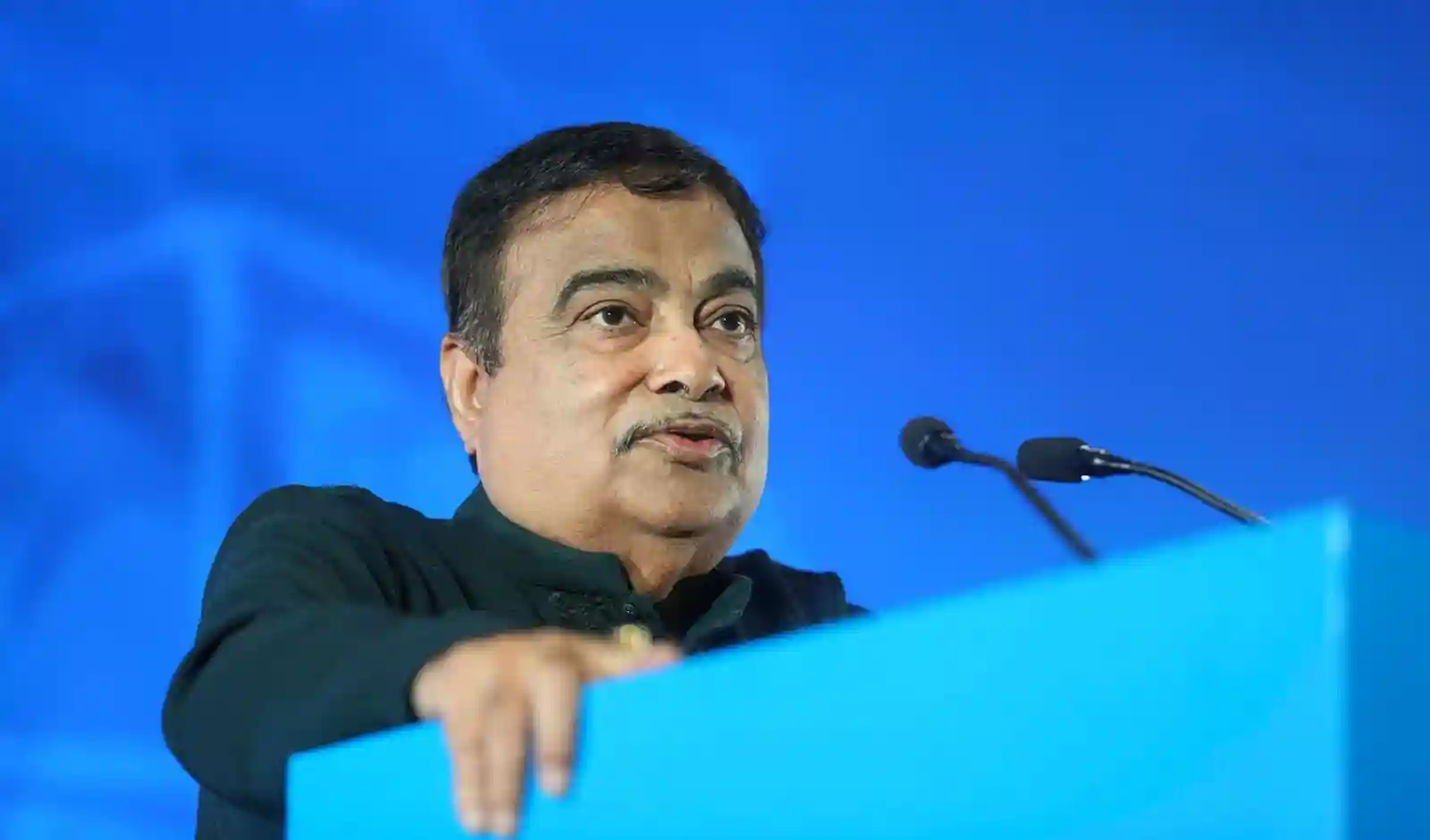
Union Minister for Road Transport and Highways Nitin Gadkari has said that India electric vehicle (EV) market could grow to 20 lakh crore by 2030, with the sector having the potential to create around five crore jobs during the same period.
Addressing a summit organised by the CII-ITC Centre of Excellence for Sustainable Development, Gadkari said around 57 lakh electric vehicles are currently registered in India, with EVs accounting for nearly 7% of the market. He said the increasing adoption of electric mobility presents significant opportunities for India's automobile and mobility sectors.
Gadkari also highlighted the growing demand for electric buses in the country. According to him, India has an annual demand for around one lakh electric buses, while domestic manufacturers currently have the capacity to produce only around 50,000–60,000 EV buses annually. He stressed the need to increase production capacity to meet the growing demand.
The minister said the government aims to make India automobile industry the world's largest within the next five years. He noted that India has skilled manpower, competitive manufacturing costs and good vehicle quality, which could help the country strengthen its position in the global automotive industry.
According to Gadkari, the size of India's automobile industry has grown significantly from around ₹14 lakh crore when he took charge as transport minister to approximately ₹22–23 lakh crore currently. He said the US automobile industry is valued at around ₹78 lakh crore, while China's stands at approximately ₹47 lakh crore.
Gadkari also emphasised the need to reduce India's dependence on imported fossil fuels. He said the country spends around 22 lakh crore on fossil fuel imports annually, which also contributes to pollution. He highlighted EVs, alternative fuels and biofuels as important solutions for India's future mobility and energy requirements.
On logistics costs, Gadkari said the government aims to reduce India's logistics cost from around 10% currently to 8%. He cited a recent report by IIT Chennai, IIT Kanpur and IIM Bangalore, which found that the development of expressways and economic corridors has helped reduce logistics costs from around 16% to 10%.
Gadkari said bringing logistics costs down to 8% would improve India's competitiveness in global markets. Alongside infrastructure development, the expansion of EVs and alternative fuels is expected to help reduce fossil fuel dependence and support India's transition towards more sustainable mobility.


