


 30
/
3
Min Read
30
/
3
Min Read


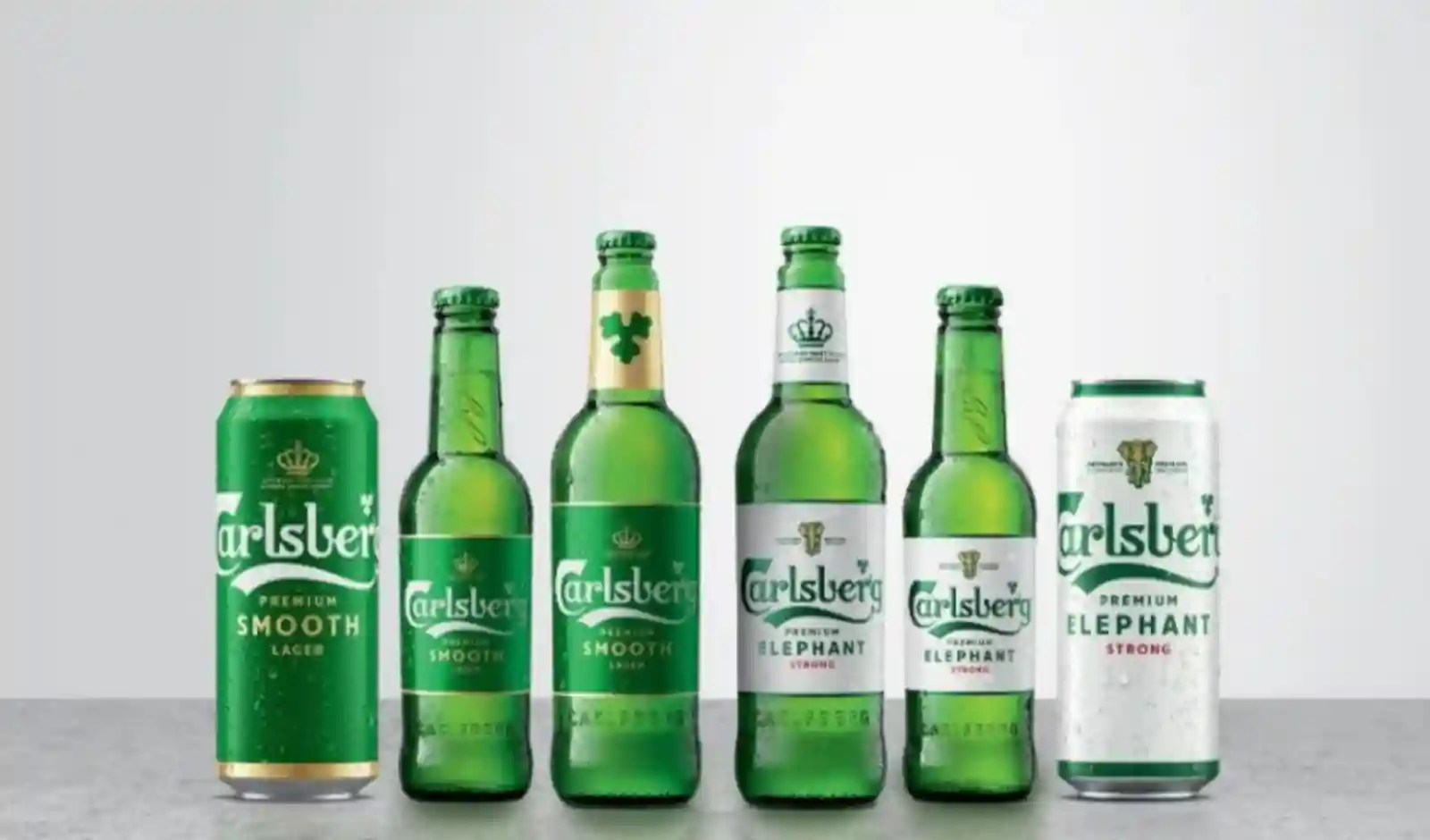
As Denmark-based brewing major Carlsberg Group moves closer to a potential blockbuster listing of its Indian arm in 2026, the hospitality industry is watching more than just the IPO valuation. Beyond the headline numbers, attention is shifting to supply chain partners that could benefit from the brewer’s next phase of expansion. One such company is Asgard Alcobev Ltd., earlier known as Banganga Paper Industries.
Carlsberg India is reportedly targeting a valuation between Rs 30,000 crore and Rs 35,000 crore. The listing is aimed at unlocking value in one of the company’s fastest-growing global markets. In India, the brewer holds the number two position with around 20 percent market share, behind United Breweries.
This IPO signals a likely push in distribution, premium portfolio expansion, and production capacity. That expansion could directly influence contract brewers responsible for producing key brands such as Carlsberg Elephant and Tuborg.
Asgard Alcobev’s relevance comes from a sharp business pivot. Until recently, the company operated in the paper trading space under the name Banganga Paper Industries. In early 2026, it rebranded and acquired an approximately 79 percent stake in CMJ Breweries, a brewing facility located in Meghalaya.
The acquisition repositioned Asgard as a liquor-focused contract manufacturer. CMJ Breweries is an established facility in Northeast India and functions as a franchise and contract manufacturing partner for both Carlsberg India and United Breweries, known for its Kingfisher portfolio.
The linkage is straightforward. If Carlsberg deploys IPO proceeds to strengthen distribution and marketing, volume demand is expected to increase. CMJ Breweries manufactures Carlsberg and Tuborg for key Northeast markets. Any rise in sales volume for these brands would translate into higher plant utilisation and revenue visibility for Asgard.
The IPO also has broader implications for sector valuation. Contract manufacturers in the alco-beverage space typically attract stronger valuation multiples than legacy paper trading businesses due to licensing barriers and relatively better margins. As Carlsberg moves toward listing, it could highlight the sector’s growth trajectory, currently estimated at a CAGR of approximately 10 percent. Companies with direct exposure to liquor consumption trends may see renewed investor interest.
Operationally, Asgard’s association with a multinational anchor client offers greater revenue predictability compared to its earlier paper trading model. Alcohol consumption in India has demonstrated consistent growth patterns, providing relative demand stability. The company’s decision to shift its registered office to Shillong, closer to the CMJ plant, indicates a structural commitment to its brewing operations.
Where supply continuity and regional manufacturing capacity matter, this development underlines how backend partnerships are becoming central to growth narratives. While Carlsberg’s IPO may dominate headlines, contract brewers embedded in its supply chain could see measurable upside as capital flows into expansion and market penetration.
 This article was originally
published by the Restaurantindia.in. To read the full version,
visit here
This article was originally
published by the Restaurantindia.in. To read the full version,
visit here 


