


 37
/
2
Min Read
37
/
2
Min Read


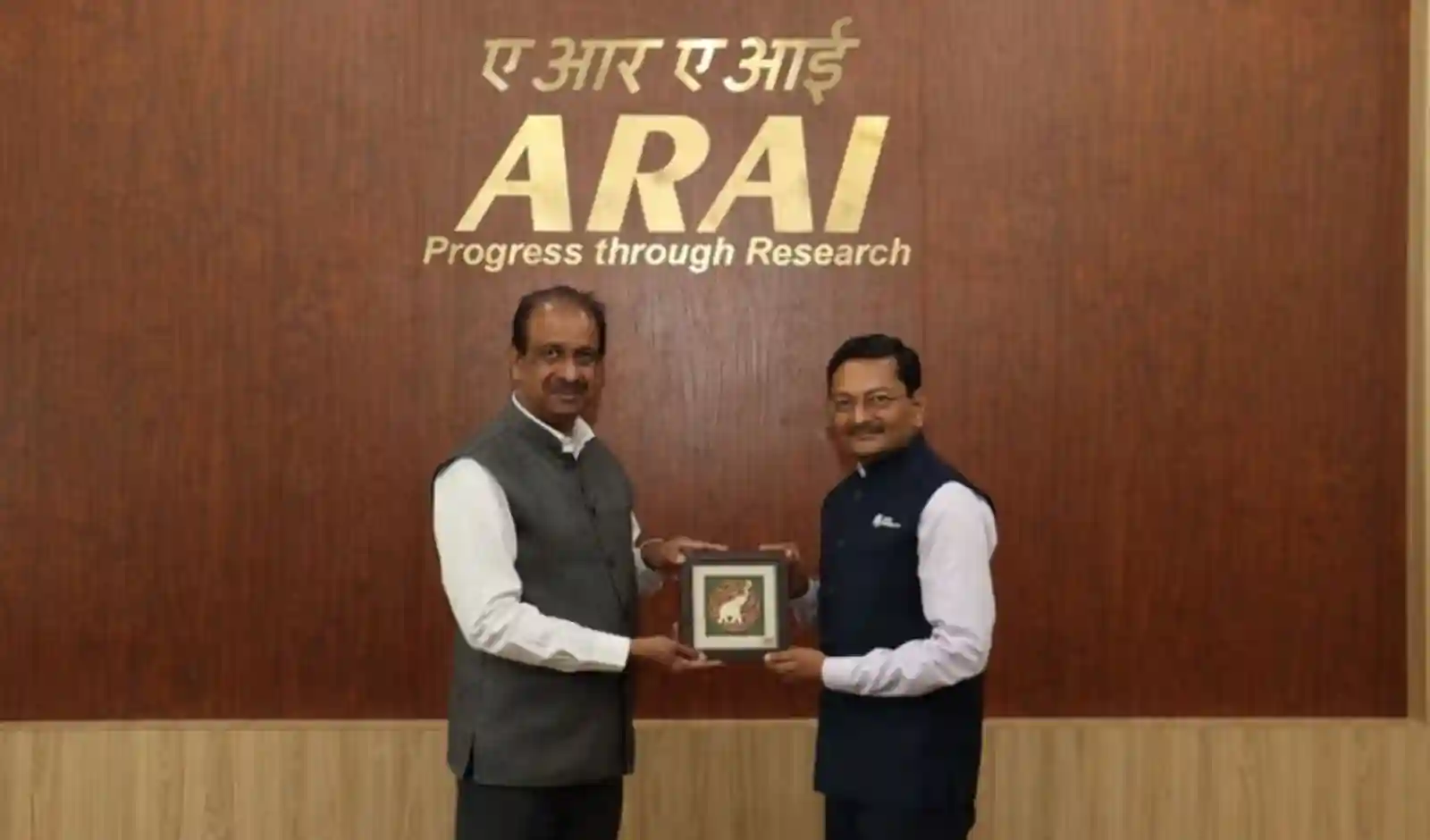
Battery swapping solutions provider SUN Mobility has announced that its Heavy Electric Vehicle (HEV) business has received India’s first AIS-038 certification for an indigenously developed high-voltage swappable battery platform designed for trucks and buses. The certification was granted by the Automotive Research Association of India (ARAI), Chakan, after extensive testing for safety, performance, and reliability.
According to the company, the platform is the result of years of in-house research and development. SUN Mobility has filed over 160 intellectual property applications in this domain, with more than 40 patents already granted.
The certified platform is offered in 50 kWh and 100 kWh variants, both operating within the 660V high-voltage category. Its modular and OEM-agnostic design ensures compatibility across multiple vehicle manufacturers and supports both new vehicle integration and retrofit applications. This allows fleet operators to tailor battery capacity based on operational needs.
The technology aims to reduce vehicle downtime, eliminate range anxiety, and improve overall fleet economics—key challenges in the adoption of electric commercial vehicles.
The certification comes at a time when the Indian government is promoting electric mobility through initiatives such as the PM e-DRIVE scheme, focused on accelerating the adoption of electric buses and trucks. With this certification, SUN Mobility’s platform emerges as a validated and compliant solution for fleet operators and OEMs.
Ashok Agarwal, CEO of SUN Mobility’s HEV Business, described the milestone as a significant step toward accelerating EV adoption. CTO Naveen Chopra added that the certification validates the platform’s engineering robustness and readiness for real-world commercial operations.
Founded in 2017, SUN Mobility has deployed over 1,300 battery swap stations across more than 23 cities in India. The company has facilitated over 35 million battery swaps and enabled more than one billion electric kilometres, contributing to a reduction of over 70,000 metric tonnes of CO₂ emissions.


