


 85
/
3
Min Read
85
/
3
Min Read


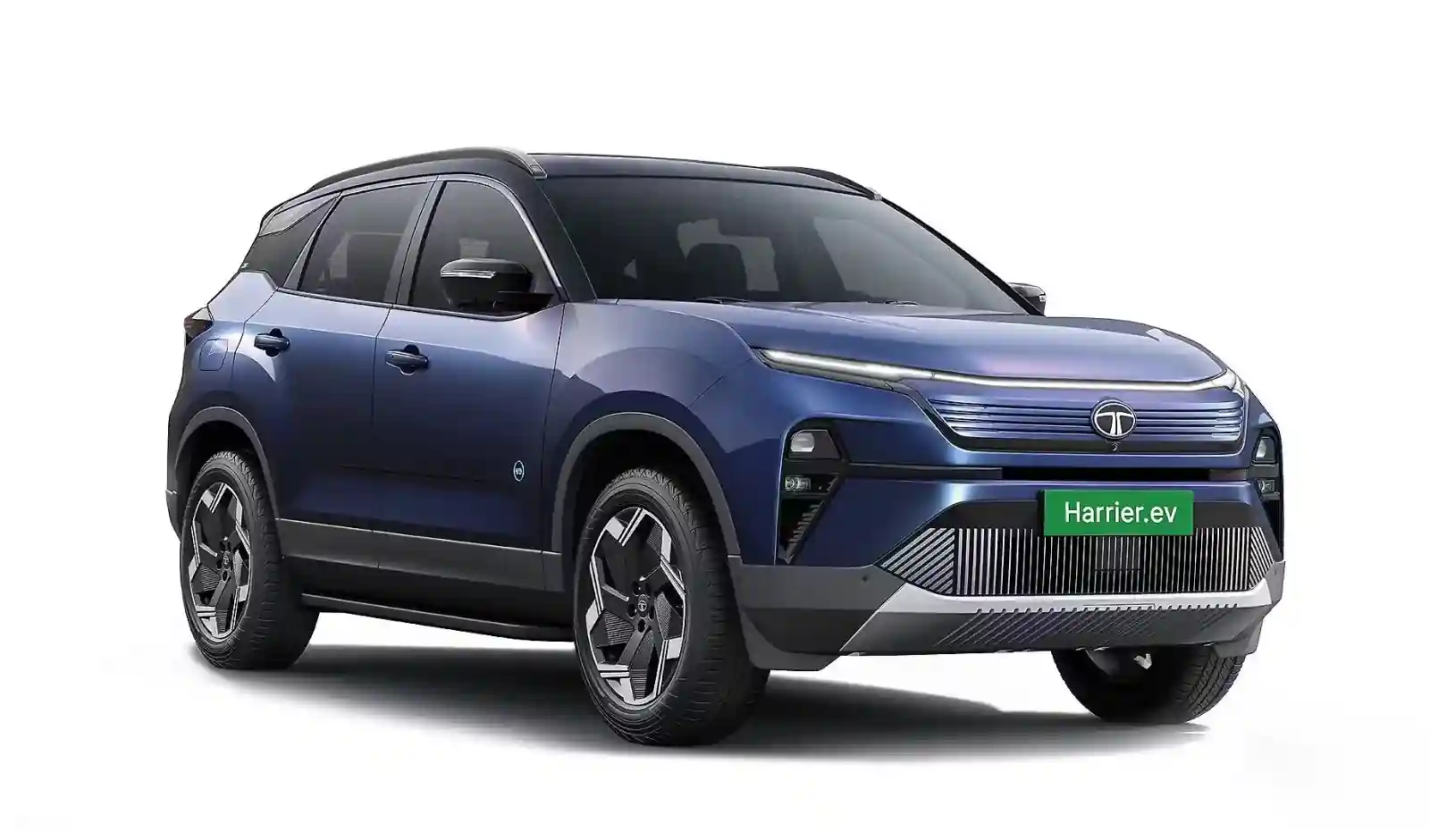
Tata Motors Passenger Vehicles (PV) expects India’s passenger vehicle industry to grow by around 10% in FY27, driven by strong post-GST 2.0 demand, rising popularity of SUVs and alternative powertrains, and upcoming product launches. The company believes market momentum has remained strong despite ongoing geopolitical tensions and fuel price uncertainties.
Managing Director and CEO Shailesh Chandra said the industry is likely to stay on track for nearly 10% growth in FY27, although global factors such as fuel prices and geopolitical developments could impact the final numbers by 1-2 percentage points. Tata Motors PV is aiming for “industry-beating growth” through new launches, higher production volumes and stronger supply-chain resilience. The company also confirmed that there will be no delay or reduction in its long-term product and capex plans.
Record FY26 Performance
Tata Motors PV delivered a strong FY26 performance with sales of 6.42 lakh passenger vehicles, registering 15.3% year-on-year growth — nearly double the industry average. In Q4FY26, wholesales rose 37.3% to 2.01 lakh units.
The company’s passenger vehicle revenue increased 49.4% year-on-year to ₹18,742 crore in the March quarter, while EBITDA margin improved to 9.4%. Profit before tax stood at ₹1,102 crore in Q4FY26. For the full financial year, revenue reached ₹58,465 crore.
EV, CNG and SUVs Fuel Growth
Tata Motors’ FY26 powertrain mix included 46% petrol, 13% diesel, 14% EV and 27% CNG vehicles, reflecting the growing demand for cleaner and alternative fuel technologies.
The automaker recorded its highest-ever annual EV sales of 92,200 units in FY26, up 43.3% from FY25. In Q4FY26, EV sales surged 69.2% year-on-year to 26,900 units. Tata Motors’ EV market share on Vahan registrations stood at 40.2% during FY26.
According to Chandra, EV enquiries and bookings have increased by 25-30% since March, supported by concerns over fuel prices amid the Middle East crisis and the government’s stronger push towards electric mobility.
Focus on New Launches and Expansion
During FY26, Tata Motors launched and refreshed several products, including the new Sierra, Punch, Harrier.ev, Punch.ev and petrol variants of Harrier and Safari. In FY27, the company plans to focus on new product launches, dealership network expansion, production capacity enhancement and cost optimisation.
The company indicated that FY27 capex could be slightly above its usual 6-8% of revenue range as it continues its aggressive expansion strategy.
Commodity Inflation Remains a Concern
Tata Motors highlighted rising commodity prices as a major challenge, with costs of steel, copper, aluminium, rubber and petroleum-based inputs increasing by around 5% over the past 9-12 months. The West Asia crisis also remains a key risk for supply chains, logistics and fuel prices.
The company said it will continue to focus on cost reduction, richer product mix and operating leverage to offset inflationary pressures, while also considering price revisions if required.


