


 31
/
4
Min Read
31
/
4
Min Read


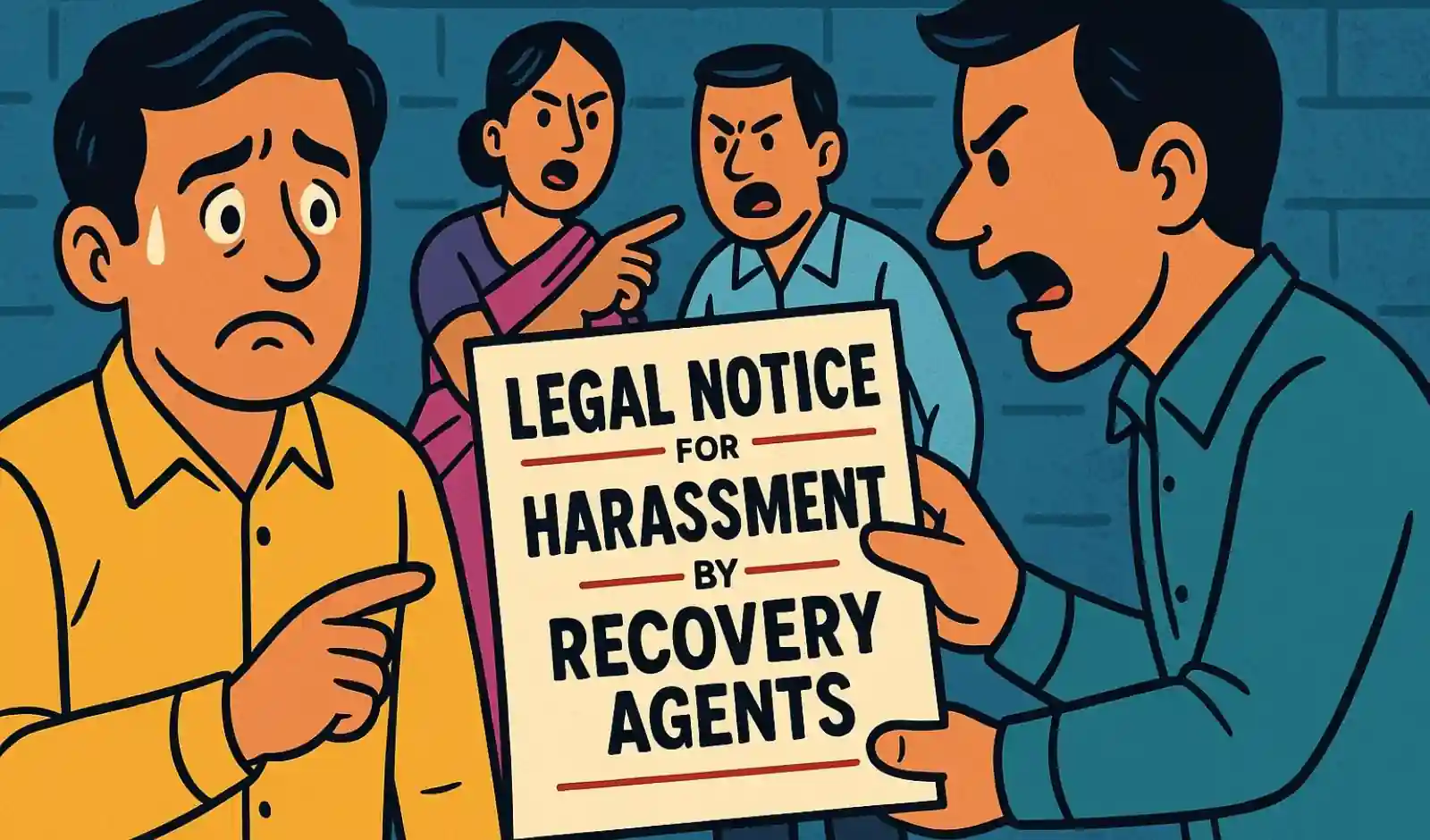
From abusive phone calls and threats to home visits and public shaming, recovery agents have turned debt collection into a source of severe stress a problem that has intensified sharply in the wake of COVID-19.
While official data provides some insight, the true scale of the problem is far larger. Borrowers frequently find themselves trapped between unaffordable EMIs, job insecurity and aggressive recovery practices, leaving them emotionally drained and socially vulnerable.
Survey by Expert Panel Reveals Harrowing Reality
According to a proprietary survey by Expert Panel a debt-resolution platform that counsels borrowers facing loan stress and harassment, the situation is alarming. The survey analyzed inquiries and cases from borrowers across India, revealing that 60% of borrowers were either making only minimum payments or had stopped paying altogether at the time of inquiry. Nearly 60% reported EMIs that equaled or exceeded their total family income, while 40% were managing repayments by taking new loans or rolling over credit cards a clear sign of a debt trap.
The survey also highlighted the causes behind borrowing: 26% of loans were taken for medical emergencies, 22% for family or personal expenses such as weddings or education and others due to job loss, business setbacks or household needs. Multiple loans, high interest rates and penalties further complicated repayment.
Harassment: More than Numbers
Expert Panel’s analysis shows that 35% of borrowers reported facing harassment from recovery agents, while 17% experienced severe intimidation. Common tactics included:
Continuous and excessive calls from multiple lenders, sometimes exceeding 100 calls per day, Threats of legal or police action, Home or workplace visits, Contacting family members, employers or personal references, Public shaming or social pressure, etc
One borrower described, “I’m getting more than 300 calls every day. They call my office, my boss, and even my relatives. Some have come to my house. This pressure is affecting my mental health.” Another shared, “Agents came to my home and shouted in front of neighbours.” Others recounted workplace harassment, abusive language and repeated threats of legal action.
Severe harassment often included blackmail, sending photographs of borrowers’ homes and instructions that pushed individuals toward extreme distress. In some cases, borrowers reported being told to consider suicide to resolve insurance claims.
Mental Health Toll
The emotional impact of such harassment is significant. Many borrowers reported extreme anxiety, depression and even suicidal thoughts during counselling sessions with Expert Panel. One distressed individual said: “Sometimes I thought of committing suicide, but because of my family I didn’t. I am so troubled.” Others described continuous calls and abusive threats, which left them feeling trapped and hopeless.
These accounts highlight that recovery agent harassment is not merely a financial issue, it is a public health concern, disproportionately affecting vulnerable populations.
Official Data Mirrors Trends
While Expert Panel’s survey provides ground-level insights, official data from the Reserve Bank of India’s Integrated Ombudsman Scheme supports the trend. Between April 2021 and November 2022, around 13,000 complaints were filed about digital lending app harassment and recovery agent misconduct. By FY24, complaints had risen sharply to 85,281: a 42.7% year-on-year increase, accounting for nearly 29% of all RBI Ombudsman grievances. Experts note, however, that less than 5% of harassment cases reach the Ombudsman, suggesting that actual cases may be 10 to 20 times higher than reported.
The Urgent Need for Reform
India’s credit market has expanded rapidly, particularly in unsecured lending, but borrower protection has lagged. Procedural delays, such as the 30-day waiting period to approach the RBI Ombudsman, make timely relief difficult.
Harassment is not an effective recovery tool, it is a violation of human dignity. There is a pressing need for stricter enforcement of fair recovery practices, faster grievance redressal mechanisms and accountability for lenders and their agents. Without such safeguards, borrowers will continue to face abuse that deepens financial and emotional distress, long before a loan is formally classified as in default.
Recovery agent harassment is not a matter of numbers, it is the lived reality of thousands of Indians whose dignity and mental health are under siege. Addressing this crisis requires empathy, systemic reform and immediate action.


