


 63
/
2
Min Read
63
/
2
Min Read


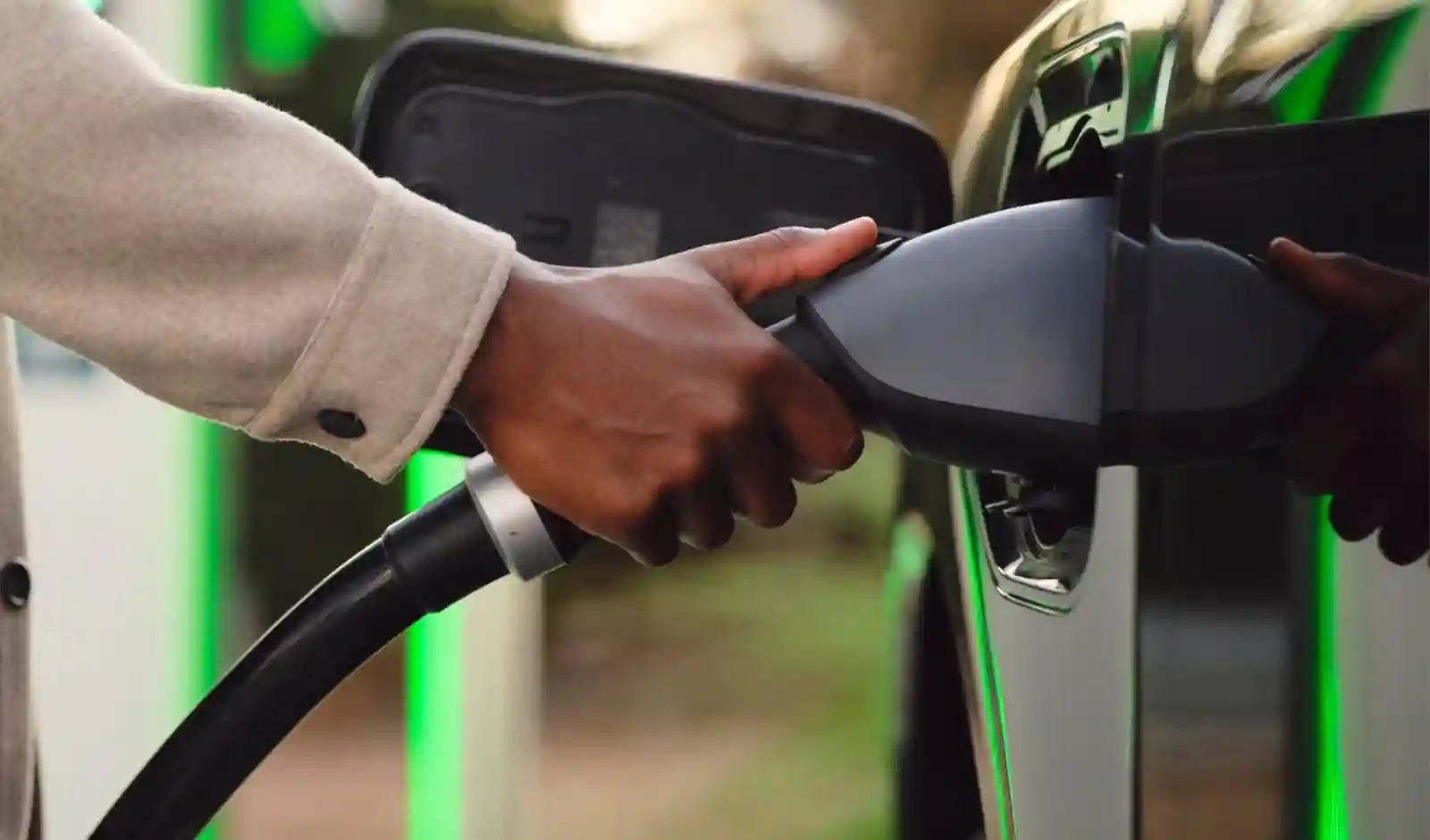
India Ratings and Research has projected that India’s passenger vehicle (PV) industry is set to enter a major investment cycle during FY26-FY30, with cumulative capital expenditure expected to reach between ₹3.2 lakh crore and ₹3.5 lakh crore. According to the agency, the upcoming capex cycle will be largely driven by the transition to electric vehicles (EVs), export expansion, and growing demand for premium vehicles.
The report stated that nearly 60-70 percent of the planned investments will be directed towards EV platforms, battery technology, and the development of the supporting ecosystem. The top five automobile OEMs alone are expected to account for more than ₹2 lakh crore of the announced investments. Shruti Saboo said the Indian PV industry is currently undergoing a structurally driven capex cycle led by EV transition and export scale-up.
According to the report, the sector’s Return on Capital Employed (ROCE) remained healthy at 15-20 percent during FY23-FY25. However, the agency noted that returns could face temporary pressure in the near term due to heavy upfront investments and gradual EV adoption. It added that profitability is expected to improve over the medium term as EV volumes increase and operating leverage strengthens.
The agency also identified exports as a key long-term growth driver for the Indian automobile industry. Passenger vehicle exports accounted for 18.7 percent of total volumes in FY26 and recorded a compound annual growth rate (CAGR) of around 12 percent during FY23-FY26. Automakers are increasingly investing in flexible manufacturing facilities capable of catering to both domestic and export demand, helping improve asset utilisation and reduce earnings volatility.
India Ratings and Research further said that strong balance sheets and healthy internal accruals are likely to support the sector’s investment plans without significantly weakening credit profiles. As of FY25, the sector’s net leverage stood at negative 0.8x, while cash flow from operations to capex was nearly 2.4x. However, the agency cautioned that challenges remain around EV demand growth, charging infrastructure bottlenecks, and execution risks for new EV-focused entrants and global automakers entering the Indian market.


