


 74
/
2
Min Read
74
/
2
Min Read


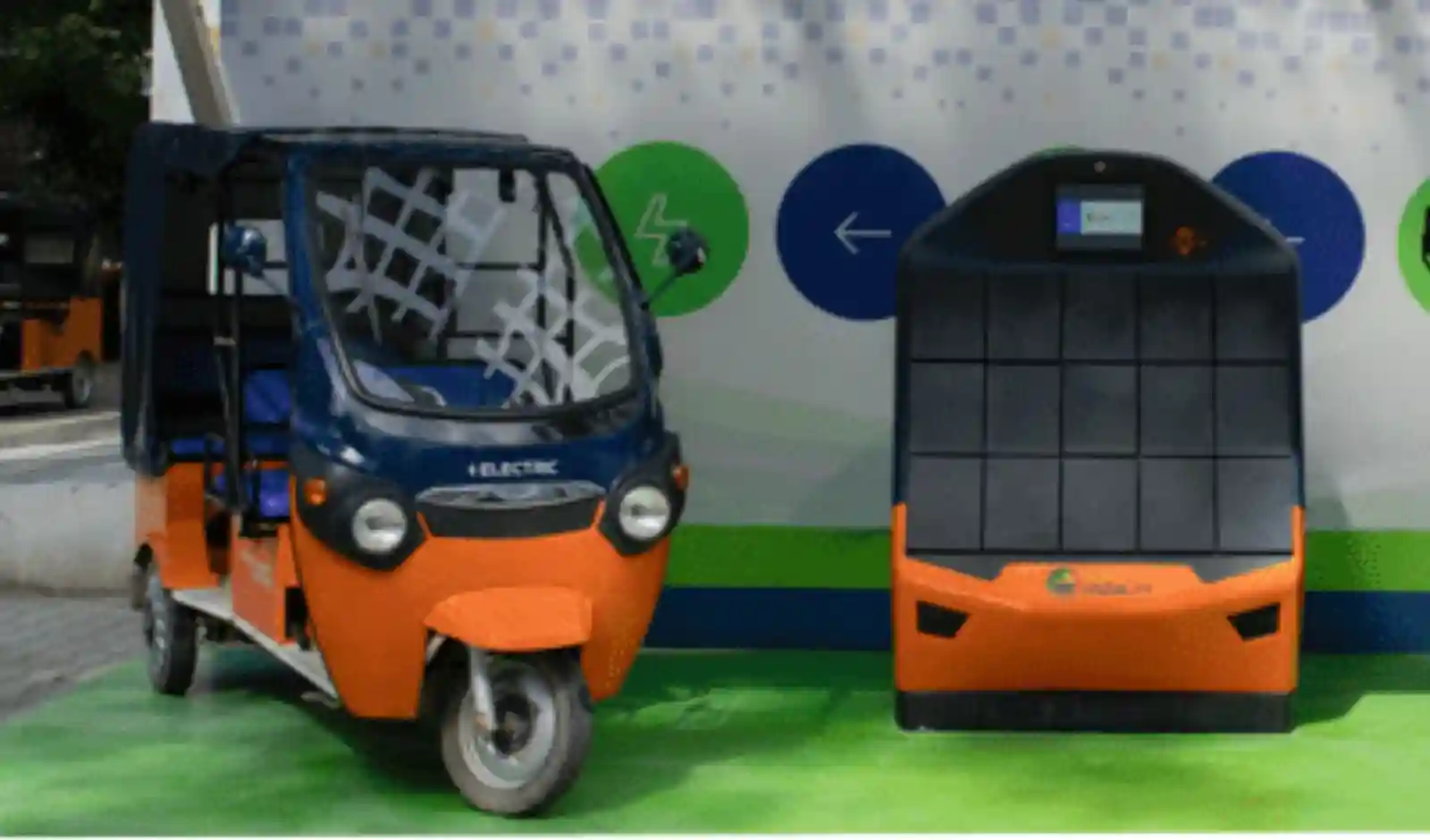
Battery swapping solutions provider SUN Mobility has urged the government to extend the same policy support to battery swapping technology as other green mobility solutions. The company believes that including battery swapping under government schemes will accelerate the adoption of electric commercial vehicles across India.
Speaking at Prawaas 5.0, Ashok Agarwal, CEO of SUN Mobility's Heavy Electric Vehicles (HEV) business, said the company has completed the certification of its battery packs and successfully integrated them with the Tata Starbus EV platform. The company has also begun engaging with fleet operators and expects vehicle deployment to begin within three months of receiving orders.
Agarwal said both battery swapping and fast charging have important roles to play, but battery swapping is particularly suited for long-distance and high-utilisation commercial vehicles, especially intercity buses. He noted that replacing multiple batteries in just a few minutes can keep buses operational for nearly 24 hours, improving vehicle uptime by 20–30%.
He also called on the government to include battery swapping under initiatives such as PM E-Drive and proposed commercial vehicle financing schemes, ensuring equal policy support for all clean mobility technologies.
Chetan Maini, Co-Founder and Chairman of SUN Mobility, said the company's modular multi-battery swapping platform has the potential to drive large-scale electrification of commercial vehicles by offering a cost-effective and operationally efficient energy solution.
According to the company, its battery swapping platform supports commercial vehicles ranging from 3 tonnes to 55 tonnes and operates on a Battery-as-a-Service (BaaS) model. This allows fleet operators to purchase vehicles without batteries and pay separately for energy usage, reducing upfront ownership costs, improving fleet utilisation and making electric commercial vehicles more accessible.


