


 136
/
4
Min Read
136
/
4
Min Read


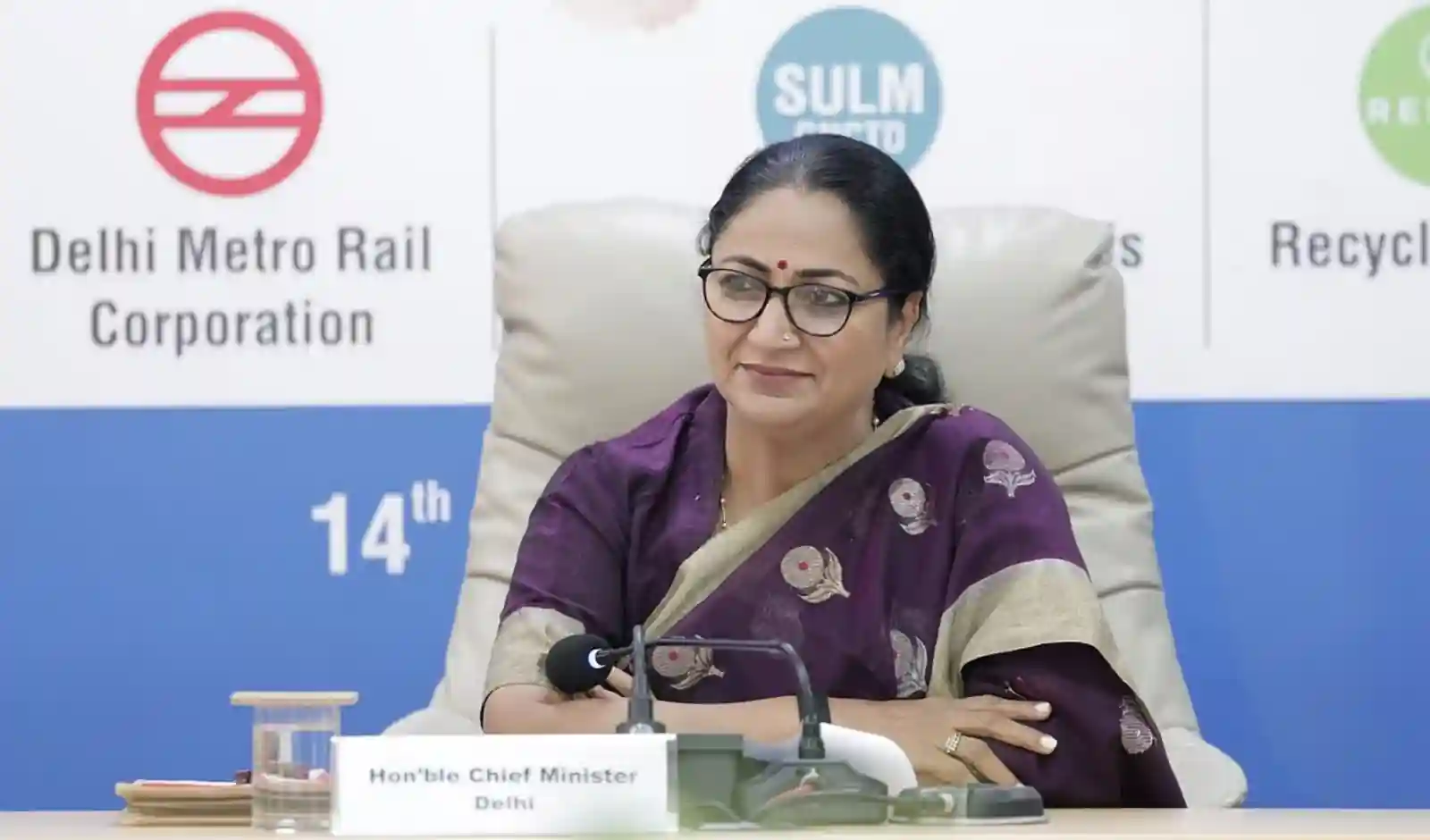
Chief Minister Rekha Gupta announced that more than ₹400 crore will be invested over the next five years under this ambitious policy. The initiative aims to provide students, young innovators and aspiring entrepreneurs with financial support, mentorship and modern infrastructure to transform their ideas into successful start-ups.
The policy is aligned with the vision of the National Education Policy (NEP) 2020 and seeks to strengthen the culture of innovation and entrepreneurship across educational institutions. The government's objective is to transform young people from job seekers into job creators.
Universities, Colleges and Schools to Benefit
In its first phase, the policy will be implemented across 11 state universities, 13 government-aided colleges, government polytechnic institutions, Industrial Training Institutes (ITIs) and government schools in Delhi. Students studying in these institutions will receive opportunities to develop start-ups and take their innovative ideas forward.
The government has also stated that students from Delhi government schools will be able to access the policy's benefits through incubation centres established at these higher educational institutions. This initiative is expected to nurture innovation, problem-solving skills and entrepreneurial thinking among students from the school level itself.
Incubation Centres to Become Innovation Hubs
Under the new policy, eligible educational institutions will receive one-time financial assistance to establish and strengthen Incubation Centres.
In addition, these centres will receive annual financial support for mentorship programmes, networking opportunities, innovation activities, industry collaboration and the development of the start-up ecosystem. The incubation centres will provide students and young entrepreneurs with the technical, academic and business support required to transform innovative ideas into successful ventures.
Financial Support at Every Stage of a Start-up
According to the government, start-ups associated with these incubation centres will receive milestone-based financial assistance at different stages of their growth.
The support will cover prototype development, proof of concept, product development, market validation and commercialisation. This funding mechanism is expected to reduce the financial challenges faced by young entrepreneurs during the early stages of their start-up journey and enable them to convert innovative ideas into commercially viable businesses.
Annual Delhi Start-up Youth Festival to Encourage Innovation
One of the key highlights of the policy is the introduction of the Delhi Start-up Youth Festival, which will be organised every year.
The festival will bring together young innovators, educational institutions, start-ups, investors, industry representatives and policymakers on a common platform. Students will have the opportunity to showcase their ideas and innovations, connect with investors, receive guidance from industry experts and build strategic partnerships. The government believes that the festival will strengthen Delhi's start-up ecosystem while inspiring young people to pursue entrepreneurship.
Special Committee to Oversee Implementation
To ensure the effective implementation and monitoring of the policy, the government will establish the State Incubation Policy Monitoring Committee (SIPMC).
The committee will comprise representatives from the government, universities, educational institutions, industry and the start-up ecosystem. It will oversee the implementation of the policy and ensure that financial assistance and institutional support reach eligible institutions and deserving start-ups in a timely manner.
Young Entrepreneurs to Access a Modern Start-up Ecosystem
Chief Minister Rekha Gupta said the policy represents a significant step towards developing Delhi into one of India's leading innovation and entrepreneurship hubs.
She added that incubation centres will provide young entrepreneurs with modern infrastructure, expert mentorship, laboratories, testing facilities, industry guidance and access to investors. These resources will enable students to experience a world-class start-up ecosystem and build globally competitive ventures.
Strengthening Collaboration Between Education, Industry and Research
Experts believe the policy will strengthen collaboration between educational institutions, industry and research organisations. It will provide students not only with theoretical knowledge but also with opportunities to develop practical solutions to real-world problems and transform them into commercially viable enterprises.
The policy is also expected to promote research-driven innovation, skill development and industry-oriented education, thereby accelerating Delhi's transition towards a knowledge-based economy.
Creating Job Creators Instead of Job Seekers
Chief Minister Rekha Gupta stated that the policy is not merely intended to help young people launch start-ups but to transform Delhi's youth from job seekers into job creators.
She said the government wants to provide young innovators with the right platform, funding and mentorship so they can establish successful enterprises. This will not only generate new employment opportunities but also contribute significantly to Delhi's economic growth.
According to education experts, the ₹400 crore Delhi Start-up and Incubation Policy marks a major step towards strengthening the culture of innovation across higher education institutions, technical institutes and schools. The policy is expected to prepare students for global competitiveness, promote research-driven education and play an important role in strengthening India's position as a leading start-up and knowledge-based economy.


