


 34
/
5
Min Read
34
/
5
Min Read


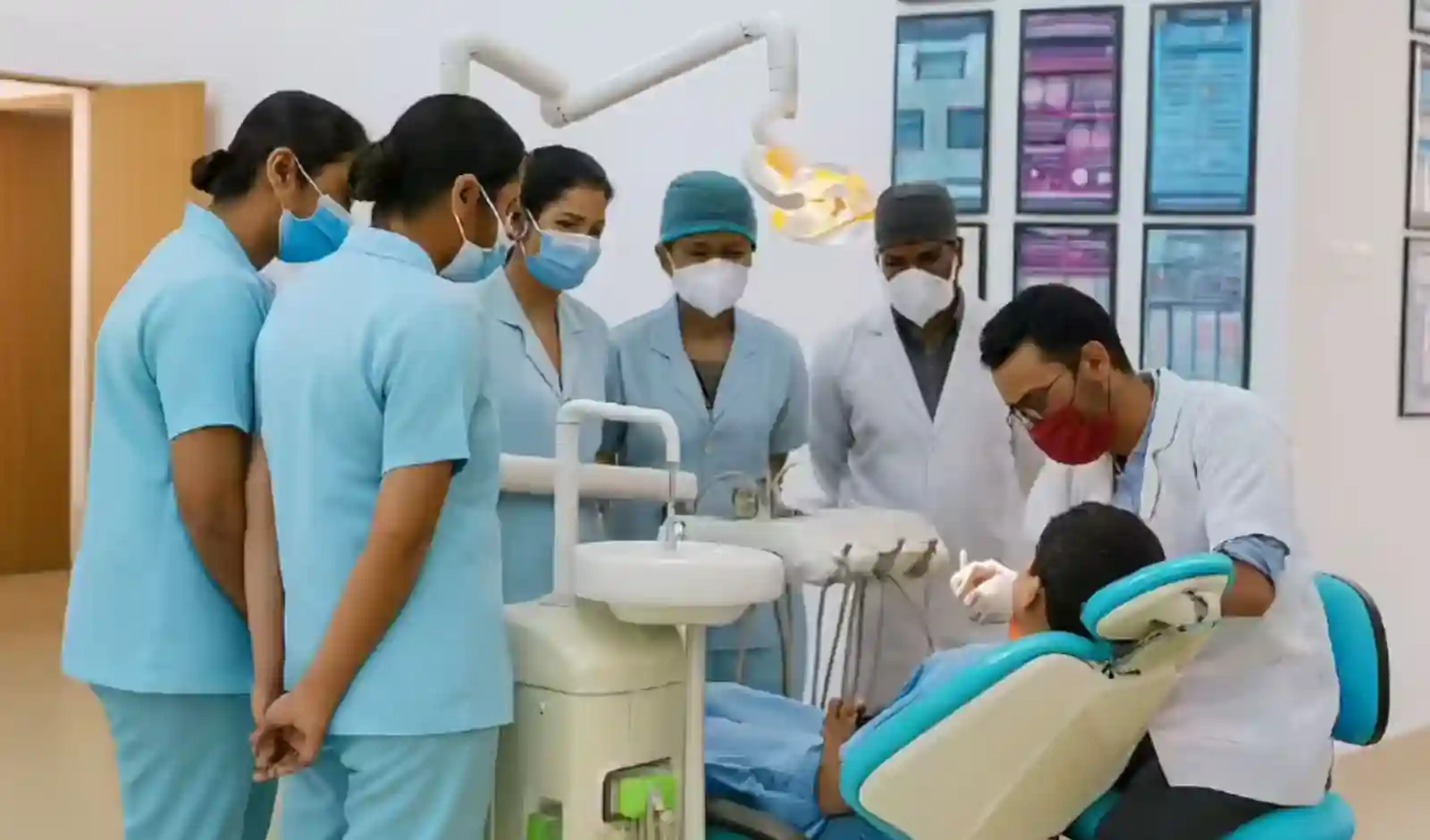
The Government of India has taken a significant and historic step to strengthen the quality of dental education and oral healthcare services. It has dissolved the Dental Council of India (DCI) and replaced it with the National Dental Commission (NDC). Along with this, three key autonomous boards have been constituted to oversee dental education, institutional assessment, and the professional conduct of dentists. Notifications regarding this were issued on March 19, 2026 and the NDC framework came into effect on the same day.
This change is not just an institutional shift but a decisive step toward reforming the entire dental education and healthcare system. The government believes that the new system will be more transparent, accountable and quality-driven compared to the earlier framework, benefiting students, educators and patients alike.
Transition from the Old System to a New Framework
With the implementation of the NDC Act, the Dentists Act, 1948 has been repealed, and the Dental Council of India has been dissolved. The DCI had regulated dental education and the profession in India for decades, but over time, several challenges emerged, including lack of transparency, uneven quality standards and inability to keep pace with evolving global benchmarks.
To address these issues, the government established the NDC as a modern, reform-oriented regulatory body. The new commission will not only frame rules but also ensure their effective implementation.
Leadership and Key Appointments
Experienced and distinguished professionals have been appointed to lead the National Dental Commission. Dr. Sanjay Tiwari has been appointed as the Chairperson, while Dr. Mousumi Goswami will serve as a part-time member. Under their leadership, the commission will take key decisions related to dental education and healthcare.
To support its functioning, three autonomous boards have been formed:
1. Undergraduate and Postgraduate Dental Education Board:
This board will ensure the quality of dental education and keep curricula updated.
Dr. Chandrashekhar Janakiram - Chairperson
Dr. Shailesh Madhav Lele - Full-time Member
Dr. Nagaraj M. - Part-time Member
2. Dental Assessment and Rating Board:
This board will regulate accreditation, evaluation and rating of dental institutions.
Lt. Gen. (Retd.) Nanda Kishore Sahu - Chairperson
Dr. Himanshu Aeran - Full-time Member
Dr. Parimala Tyagi - Part-time Member
3. Ethics and Dental Registration Board:
This board will oversee professional conduct and registration of dentists.
Lt. Gen. (Retd.) Tapas Kumar Bandyopadhyay - Full-time Member
Dr. Usha Hegde - Full-time Member
Dr. Swarg Jyoti Das - Part-time Member
Additionally, Mr. Arindam Modak has been appointed as the Secretary of the NDC and will lead its administrative operations.
Key Functions of the National Dental Commission
The primary objective of the NDC is to strengthen dental education and the healthcare system in India. Its key functions include:
- Framing and implementing laws and regulations related to dental education
- Assessing and rating dental colleges and institutions across the country
- Setting standards for community dental healthcare
- Promoting dental research and adoption of new technologies
- Issuing guidelines for fee regulation in private dental colleges
- Evaluating human resources and ensuring availability of trained dental professionals
Through these initiatives, the NDC aims to ensure uniform, high-quality and accessible dental education and services across India.
Improving Dental Education
The formation of the NDC is expected to bring significant improvements in dental education. Curricula will become more practical and skill-based, enabling students to gain real-world experience rather than relying solely on theoretical knowledge.
Regular assessment and rating of institutions will improve education standards and provide students with better choices. It will also encourage underperforming colleges to upgrade their quality to meet required benchmarks.
Impact on Patients
The biggest beneficiaries of this reform will be the general public. Better-trained dentists, modern technology and clearly defined standards will ensure safer and higher-quality treatment for patients.
The government also aims to make oral healthcare more affordable and accessible, especially in rural and remote areas. By strengthening community dental care, the NDC will help ensure timely treatment and increase awareness about oral health.
Focus on Transparency and Accountability
The new system places strong emphasis on transparency and accountability. Earlier, decision-making processes often lacked clarity, but now all procedures will be based on clearly defined rules and standards. This will reduce the chances of irregularities and improve trust in the system.
Digital systems and data-driven assessments will also make it easier to monitor the performance of institutions and professionals.
Alignment with Global Standards
One of the key objectives of the NDC is to align India’s dental education system with global standards.This will open up international opportunities for Indian students and promote high-quality research and innovation within the country. The government aims to position India as a global leader not only in healthcare services but also in dental education.
Future Outlook
Experts believe that the establishment of the NDC can transform the dental sector in the coming years. Better education, stricter standards and the use of technology will make the system more professional and efficient.
It will also create new opportunities for youth, as improved training and research will lead to increased employment prospects.
Conclusion
Overall, the establishment of the National Dental Commission represents a major and positive shift in India’s healthcare and education sectors. It will enhance the quality of dental education and ensure wider access to affordable oral healthcare services across the country.
This step reflects the government’s vision of a future where education and healthcare are more modern, transparent and accessible to all. Through the NDC, India is moving towards achieving new heights in the dental sector.


