


 137
/
2
Min Read
137
/
2
Min Read


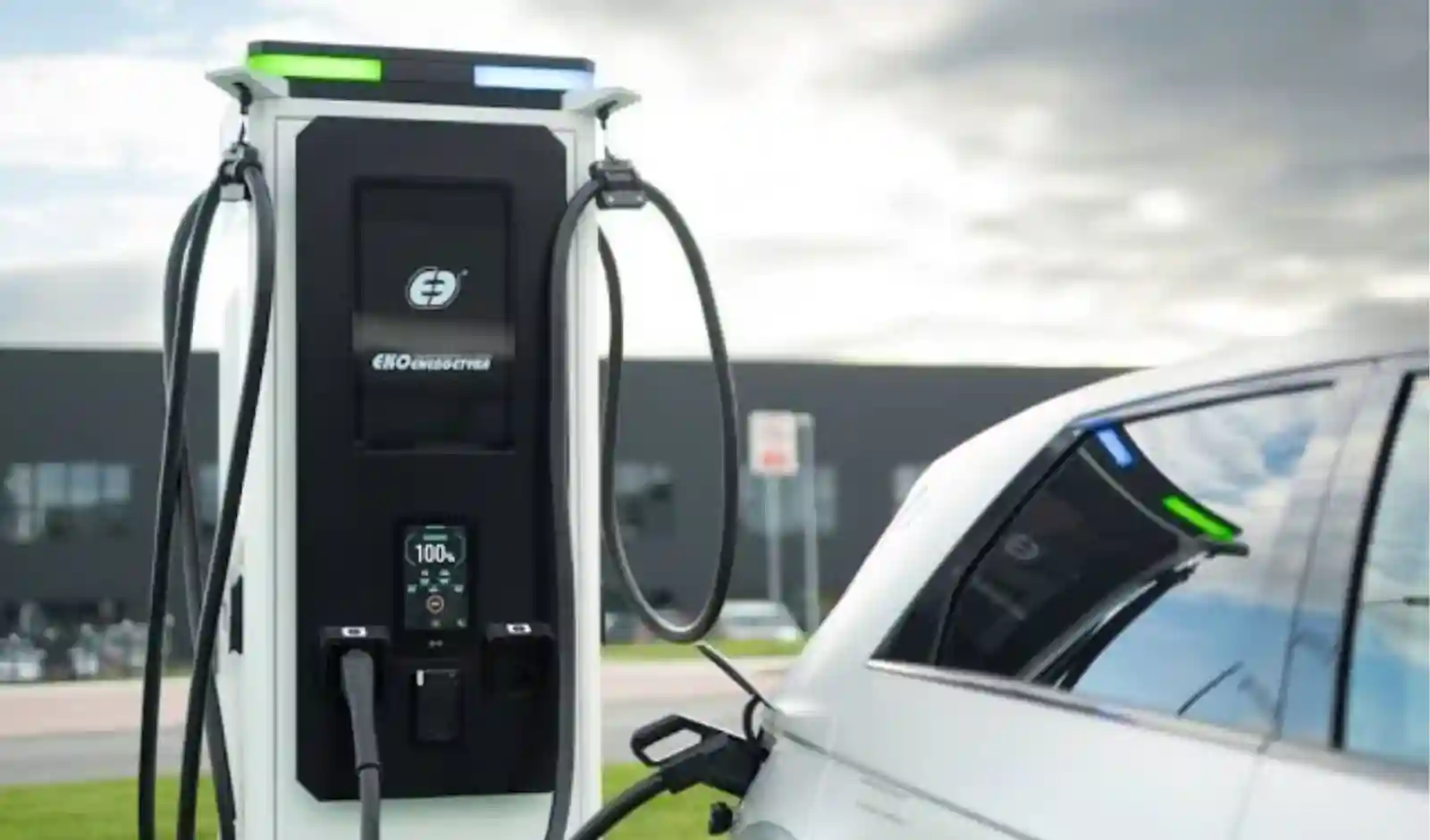
India electric vehicle (EV) charging infrastructure has witnessed significant growth over the past year. According to BMW Group India and government data, the number of public EV charging stations across the country has surpassed 52,700, improving the vehicle-to-charger ratio from 1:250 a year ago to 1:175.
Speaking at an industry event, Hardeep Singh Brar, President and CEO of BMW Group India, said that India had around 7.5 million electric vehicles and nearly 30,000 public charging points a year ago. Today, the country has more than 9 million EVs and over 52,700 public chargers, highlighting the rapid expansion of the charging ecosystem.
Brar noted that while India has made remarkable progress, mature EV markets such as China and Norway continue to have a much higher charging density, with approximately one public charger for every 20 electric vehicles.
The development comes shortly after the Central Government informed Parliament that 52,718 public EV charging stations are currently operational across India, including 16,561 fast chargers.
Replying to a question in the Lok Sabha, Minister of State for Heavy Industries Bhupathiraju Srinivasa Varma said the expansion of charging infrastructure is being supported through the FAME-II and PM E-DRIVE schemes, with financial allocations of Rs 912.5 crore and Rs 2,000 crore, respectively. The funding is focused on deploying charging stations in cities and along major highways.
The government has also introduced the Electric Vehicle Charging Infrastructure 2024 Guidelines, aimed at creating a standardized and interoperable charging ecosystem while promoting battery swapping. Additionally, the removal of licensing requirements for setting up public charging stations has encouraged greater participation from the private sector.
Brar credited the rapid progress to the combined efforts of the government, vehicle manufacturers (OEMs), charge point operators, and fuel retailers, stating that the continued expansion of charging infrastructure will further accelerate India's electric mobility transition.


