


 57
/
3
Min Read
57
/
3
Min Read


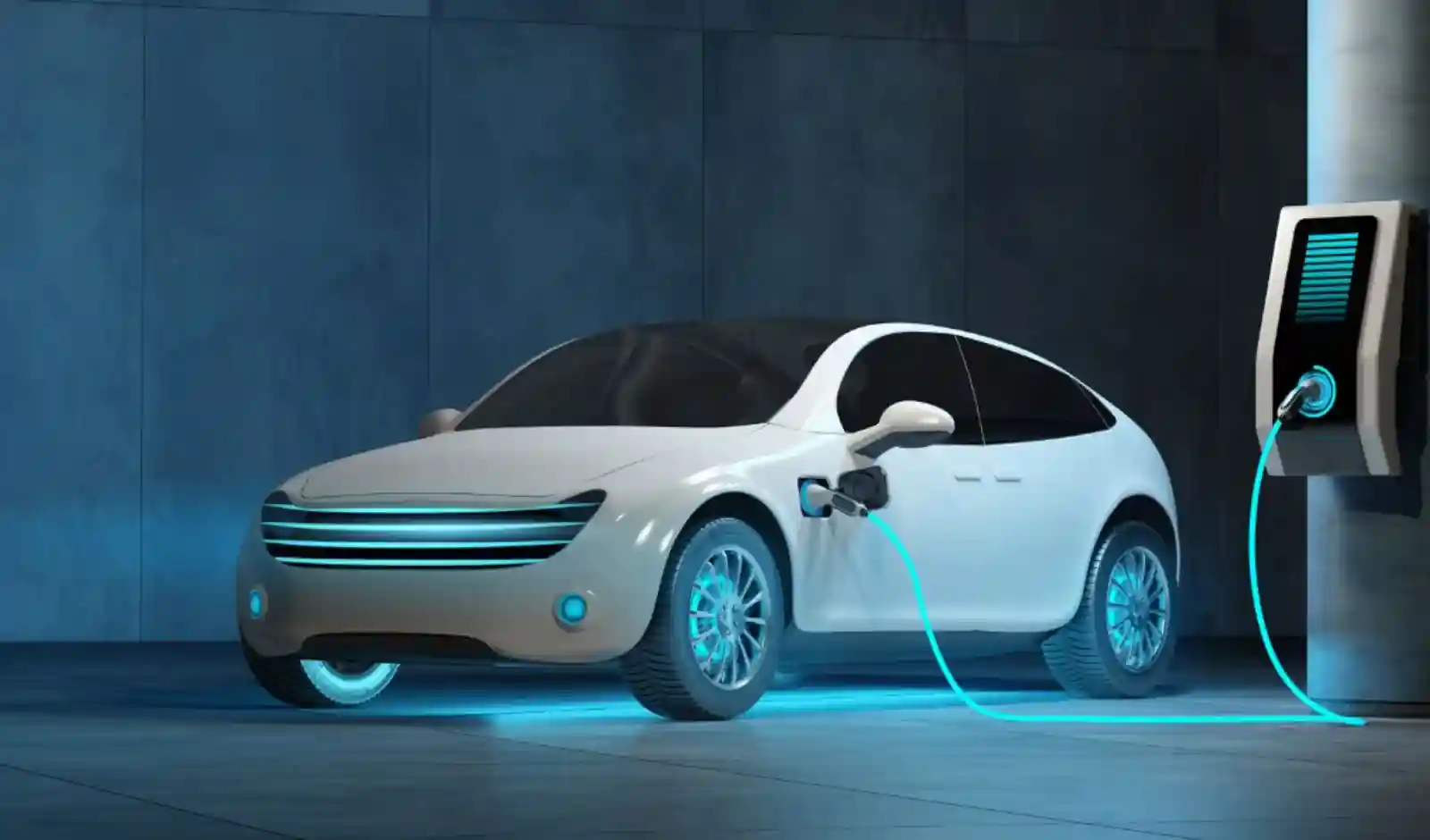
Electric vehicles (EVs) in Karnataka are set to become more expensive as the state government plans to withdraw the 100 percent road tax exemption currently available on battery-operated vehicles (BOVs). The move, part of the Karnataka Motor Vehicles Taxation (Amendment) Bill, 2026, marks a significant shift in the state’s EV policy.
Under the new framework, lifetime road tax at the time of registration will be linked to the cost of the vehicle. EVs priced up to ₹10 lakh will attract a 5 percent tax, those between ₹10 lakh and ₹25 lakh will be taxed at 8 percent, and vehicles priced above ₹25 lakh will face a 10 percent tax. However, electric two-wheelers will continue to remain exempt from this levy.
Karnataka had initially introduced a full road tax exemption for EVs in March 2016 to accelerate adoption. Since 2024, the state had already begun levying lifetime tax on EVs priced above ₹25 lakh. The latest amendment expands taxation across a broader price range, reflecting the government’s view that the EV market has matured and can sustain reduced incentives.
State Transport Secretary NV Prasad confirmed that the bill has been passed by the legislature and will come into effect once it receives the Governor’s assent. “It will be notified after the approval is obtained,” he said.
Officials maintain that even with the revised structure, EV taxation will remain lower than that of internal combustion engine (ICE) vehicles, which attract road taxes ranging from 13 percent to 18 percent. However, industry stakeholders warn that the higher upfront cost of EVs, combined with the new tax, could impact buyer sentiment and slow adoption.
Karnataka is currently the fourth-largest vehicle market in India, following Uttar Pradesh, Maharashtra, and Tamil Nadu. While many states continue to offer incentives for EVs, some—such as Gujarat and Kerala—already impose taxes, reflecting varied policy approaches across the country.
The amendment also includes relief measures for the transport sector. The government has proposed a reduction in per-seat tax for contract carriage buses and sleeper coaches. Tax for buses with more than 12 seats will be reduced from ₹3,500 to ₹2,500 per seat, while sleeper coaches will now be taxed at ₹3,000 per berth, down from ₹4,000. This move aims to discourage operators from registering vehicles in lower-tax jurisdictions like Puducherry and certain northeastern states.
Industry representatives have welcomed the tax cuts for buses, stating that it will ease operational costs and encourage local registrations, ultimately helping the state retain revenue.
Overall, the rollback of EV tax exemptions signals a major policy transition for Karnataka, balancing revenue considerations with the long-term goal of sustainable mobility.


