


 103
/
2
Min Read
103
/
2
Min Read


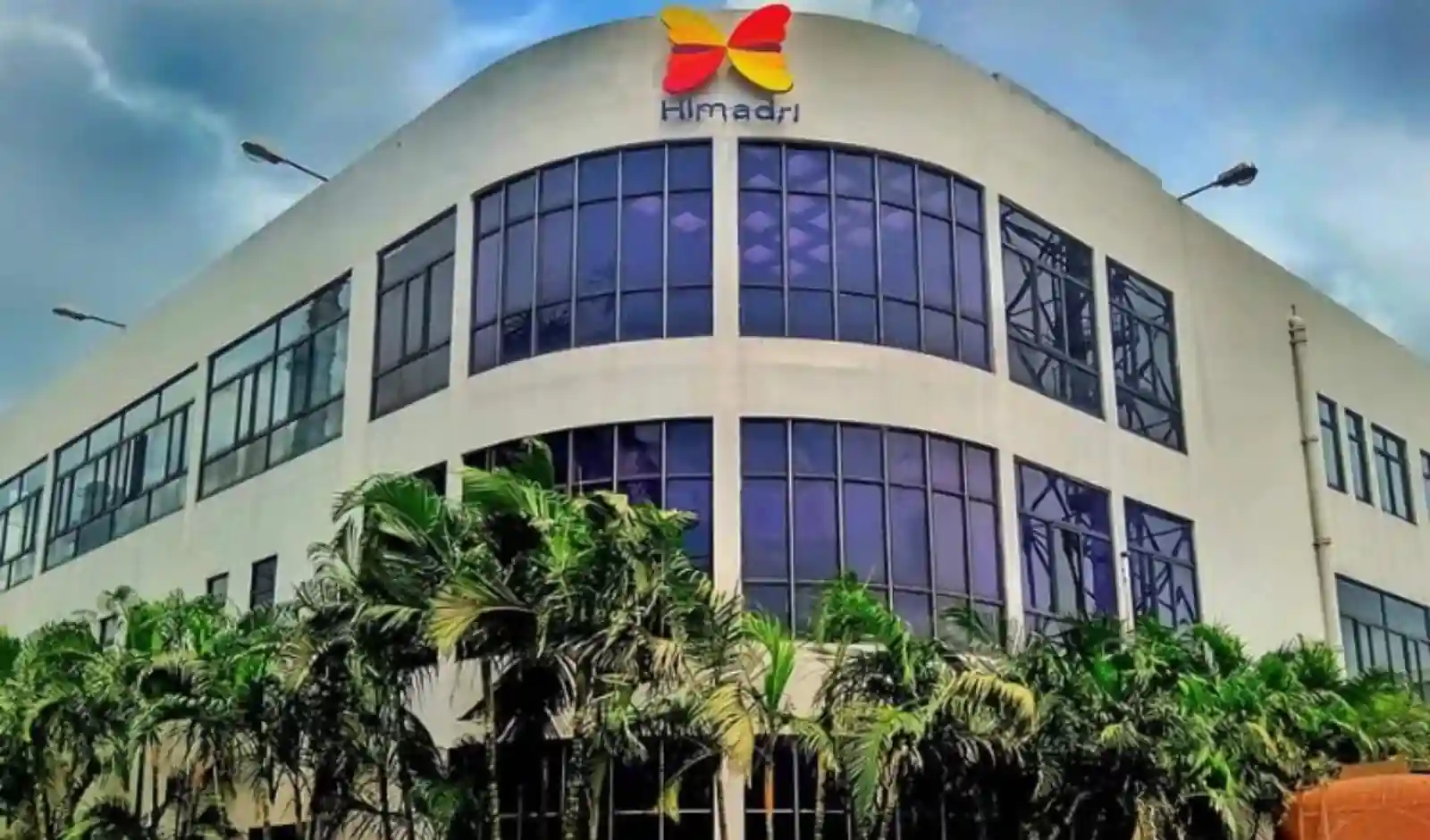
Australian battery materials company Sicona Battery Technologies, backed by Himadri Speciality Chemical Ltd., has secured up to AUD 45 million in funding from the Australian Renewable Energy Agency (ARENA) to accelerate the commercialisation of its silicon-carbon (SiCx) anode technology for lithium-ion batteries.
The funding has been awarded under ARENA's Battery Breakthrough Initiative and will support the construction and operation of a commercial-scale demonstration facility at BlueScope Steel's Port Kembla precinct in New South Wales, Australia. The facility will manufacture Sicona's proprietary SiCx silicon-carbon anode material for use in electric vehicles (EVs) and energy storage batteries.
According to ARENA, Sicona's silicon-carbon anode technology can increase the energy density of lithium-ion batteries by up to 20% while enabling charging speeds up to 40% faster than conventional graphite anodes. The company added that the material is designed to integrate with existing lithium-ion battery manufacturing infrastructure, eliminating the need for significant production changes.
Sicona said the demonstration plant will validate its manufacturing process at a commercial scale and produce qualification samples for battery manufacturers and EV OEMs. This is expected to support future offtake agreements and accelerate the broader commercial deployment of the technology.
For Himadri Speciality Chemical Ltd., the development aligns with its strategy to strengthen its presence in advanced battery materials. The company has already invested in Sicona as part of its efforts to expand across the battery value chain, including lithium-ion battery materials and specialty carbon products.
With global demand for EVs and energy storage systems continuing to rise, investments in advanced battery materials and supply chains are accelerating. Sicona's silicon-carbon anode technology is expected to play an important role in improving battery performance while remaining compatible with existing lithium-ion battery manufacturing processes.


