


 162
/
3
Min Read
162
/
3
Min Read


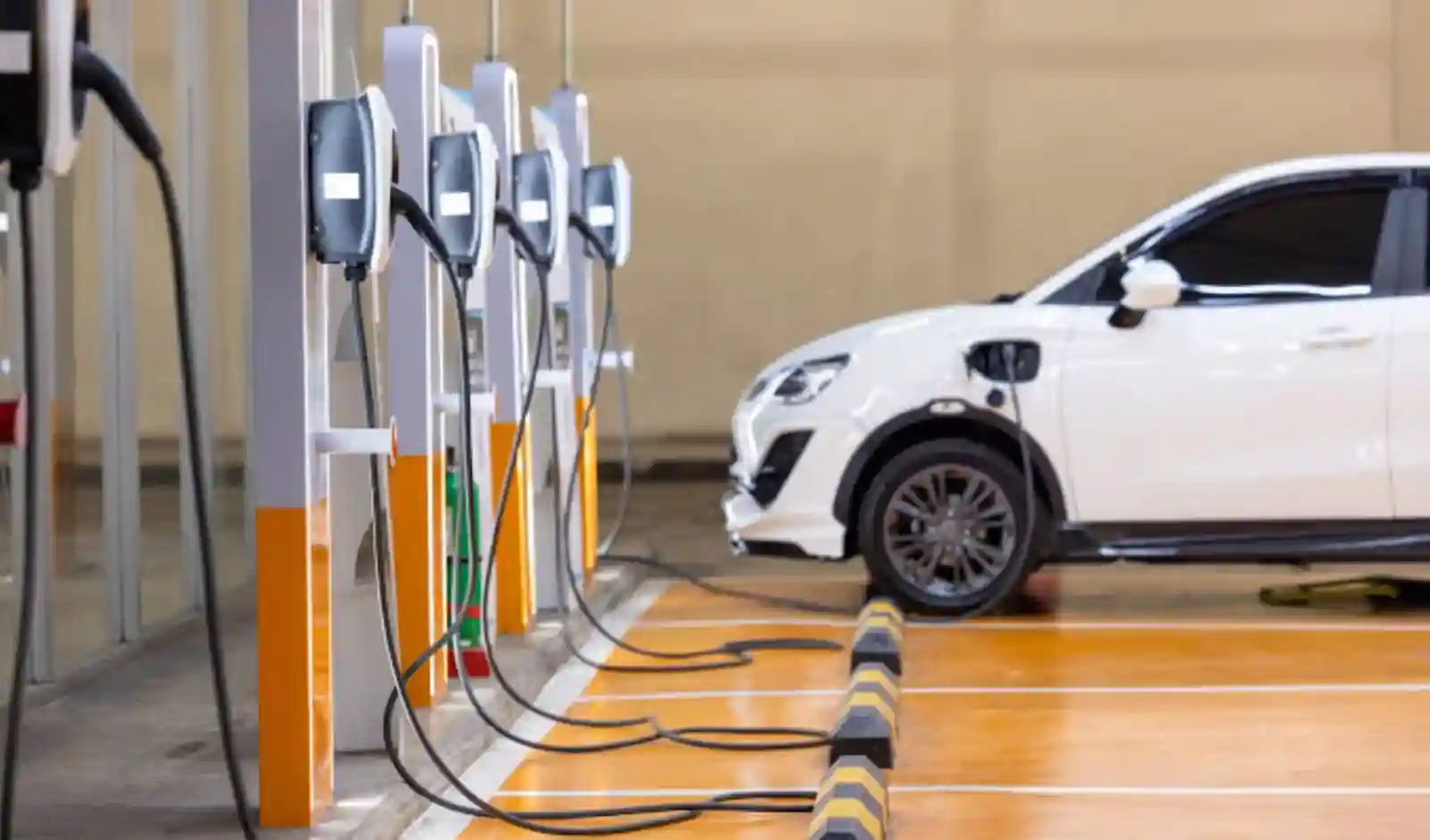
Electric vehicle adoption in India is set to accelerate further, with India Ratings and Research (Ind-Ra) projecting EV penetration to reach 10-12% of total vehicle sales by FY27, up from an estimated 8.5% in FY26.
According to the report, EV adoption is expected to continue growing at a double-digit pace. However, penetration will remain uneven across vehicle segments due to differences in charging infrastructure, use-case economics and consumer behaviour.
Shruti Saboo, Director – Corporates, Ind-Ra, said India's EV market continues to demonstrate strong growth potential, driven by lower operating costs, improving use-case economics, a wider range of vehicle offerings and increasing consumer acceptance. She added that the next phase of growth will depend on strengthening the domestic value chain, reducing dependence on imported batteries and expanding charging infrastructure.
The report projects electric two-wheeler penetration to increase to 8-10% in FY27, compared with 6.6% in FY26. Meanwhile, electric three-wheelers are expected to remain the most electrified vehicle segment, with penetration rising from 59% to 62-65% during the same period.
Electric passenger vehicle penetration is expected to increase from 4.4% in FY26 to 6-8% in FY27, supported by new model launches and rising demand in metropolitan markets. Similarly, electric bus penetration is projected to grow from 4.4% to 6-8%, although deployment will depend on charging infrastructure readiness across state transport undertakings.
Ind-Ra also expects consolidation within the EV industry as competition increasingly shifts towards scale, distribution networks and customer confidence. Established automakers with stronger brands, extensive dealer networks and robust after-sales service are expected to gain a competitive advantage.
Despite the growth outlook, the report notes that the EV industry remains investment-intensive. Most electric two-wheeler, three-wheeler and passenger vehicle manufacturers are expected to report EBITDA-level losses in FY26 due to continued investments in technology, manufacturing capacity, localisation and market expansion. However, electric two- and three-wheeler businesses could achieve break-even within the next two to three years, while electric bus manufacturers are expected to maintain EBITDA margins of 10-12%.
The report further highlights that India EV industry continues to rely heavily on imported battery cells, critical minerals and other high-value components. In addition, limited charging infrastructure for highways and long-distance travel remains a key challenge to faster EV adoption.
According to Ind-Ra, government initiatives such as the Production Linked Incentive (PLI) Scheme and the PM E-Drive Programme will strengthen the EV ecosystem over time. However, the pace of EV adoption and profitability will largely depend on the expansion of charging infrastructure, deeper localisation and the development of a robust domestic supply chain.


