


 98
/
5
Min Read
98
/
5
Min Read


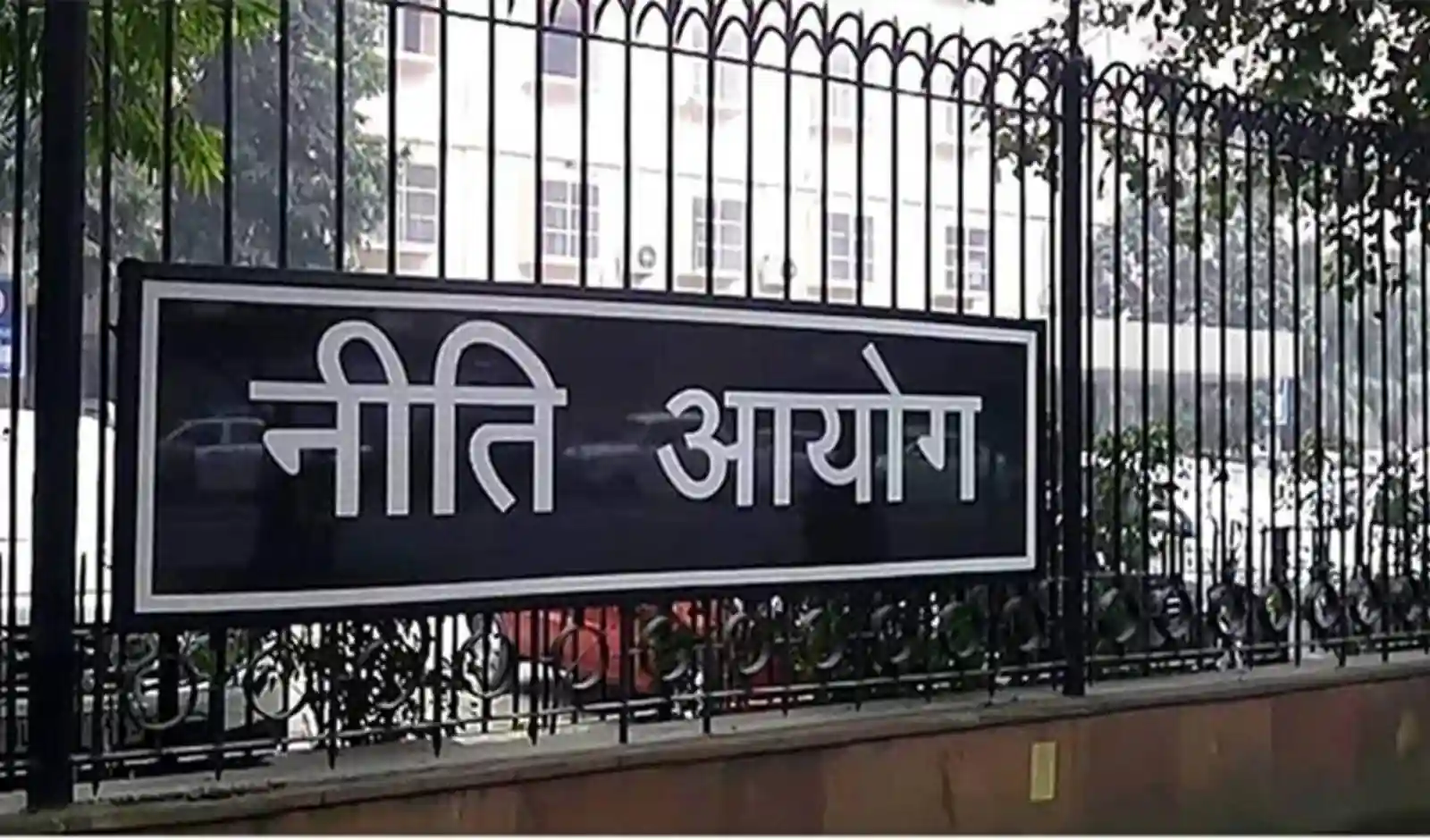
Recently, NITI Aayog held the first meeting of the high-level standing committee on ‘Education to Employment and Entrepreneurship’. The objective of this committee is to transform the country’s education and skill development system in line with changing economic needs and future job market requirements.
The formation of this committee was announced in the Union Budget 2026-27. During the budget speech, the Finance Minister stated that the government is committed to fulfilling the aspirations of a young India and strengthening capacity building in the service sector. Keeping this goal in mind, the ‘Education to Employment and Entrepreneurship’ standing committee has been formed. The government believes that in the coming years, India can play a major role in the global services sector and aims to secure a 10% share of the global services market by 2047.
Focus on employment and skill development
This committee will identify key areas related to employment, skill development, and entrepreneurship in the country. It will also examine the impact of Artificial Intelligence (AI) and other emerging technologies on jobs and skills. Keeping future requirements in mind, the committee will provide recommendations that can better prepare youth for employment opportunities.
The committee has been formed under the chairmanship of NITI Aayog CEO Nidhi Chhibber. It includes experts from several ministries, state governments, industry organizations and the education sector. Departments such as the Ministry of Labour and Employment, Department of Commerce, Ministry of Electronics and Information Technology, Department of Higher Education, Ministry of Skill Development and Entrepreneurship, Department of School Education and Literacy and the Ministry of Statistics and Programme Implementation are part of it.
In addition, the state governments of Andhra Pradesh, Bihar, Maharashtra and Uttar Pradesh have also been given representation. From the industry side, organizations such as NASSCOM, FICCI, CII, FISME and SEPC have also been included in the committee. This is an effort to improve coordination between the government, industry and the education sector.
Several experts attended the first meeting
Many senior officials and experts participated in the first meeting of this committee held on 22 May 2026. The meeting was attended by the Secretary of the Ministry of Skill Development and Entrepreneurship, Debashree Mukherjee, NITI Aayog Distinguished Fellow Debjani Ghosh and representatives from various ministries and industry organizations.
During the meeting, Dr. Sonia Pant, Programme Director of NITI Aayog’s Services Division, gave a detailed presentation on the potential of India’s services sector. She stated that the services sector is playing an increasingly important role in India’s economy and has significant potential for job creation.
NITI Aayog CEO Nidhi Chhibber said that it is essential to continuously update education, skill development and employment systems according to the changing economy. She added that India has the world’s largest youth population, which is a major opportunity for the country. If youth are provided with the right education, training and employment opportunities, India can achieve rapid economic growth.
Special focus on AI and new technologies
The meeting extensively discussed topics such as youth employment, labour force participation, alignment between education and skills, workforce readiness and employment growth in non-agricultural sectors. Experts stated that in a rapidly changing technological era, traditional education alone is not sufficient for youth. It is necessary to teach modern and practical skills aligned with industry needs.
The committee particularly focused on the impact of AI and advanced technologies. Experts believe that in the coming years, AI, automation and digital technologies may affect many traditional jobs. Therefore, it has become essential to prepare the education and skill development system according to future job market needs.
It was also emphasized that skill development programs should be designed in accordance with industry requirements. This would make it easier for students and youth to find employment after completing their education. At the same time, the need for special schemes and training programs to promote entrepreneurship was also highlighted.
Boost to the services sector
The committee agreed that the services sector can play a major role in India’s economic strength, export competitiveness and global recognition. India has strong growth opportunities in areas such as IT, digital services, finance, healthcare, education and tourism.
Experts say that despite India’s large youth population, the skill gap remains a major challenge. Often, there is a mismatch between students’ education and actual industry requirements. This is why NITI Aayog is now focusing on linking education, skill development and employment together.
The committee has decided that regular meetings will be held in the future. These meetings will develop practical suggestions to improve employability, promote entrepreneurship and ensure long-term growth in the services sector.
Focus on developing new policies for the future
NITI Aayog believes that if the central government, state governments, industry bodies, educational institutions and skill development organizations work together, India can convert its demographic dividend into economic growth. This initiative is seen as an important step toward preparing youth for future job markets and strengthening India’s position in the global services sector.


