


 67
/
2
Min Read
67
/
2
Min Read


Focus on implementing CT and AI in Indian languages:
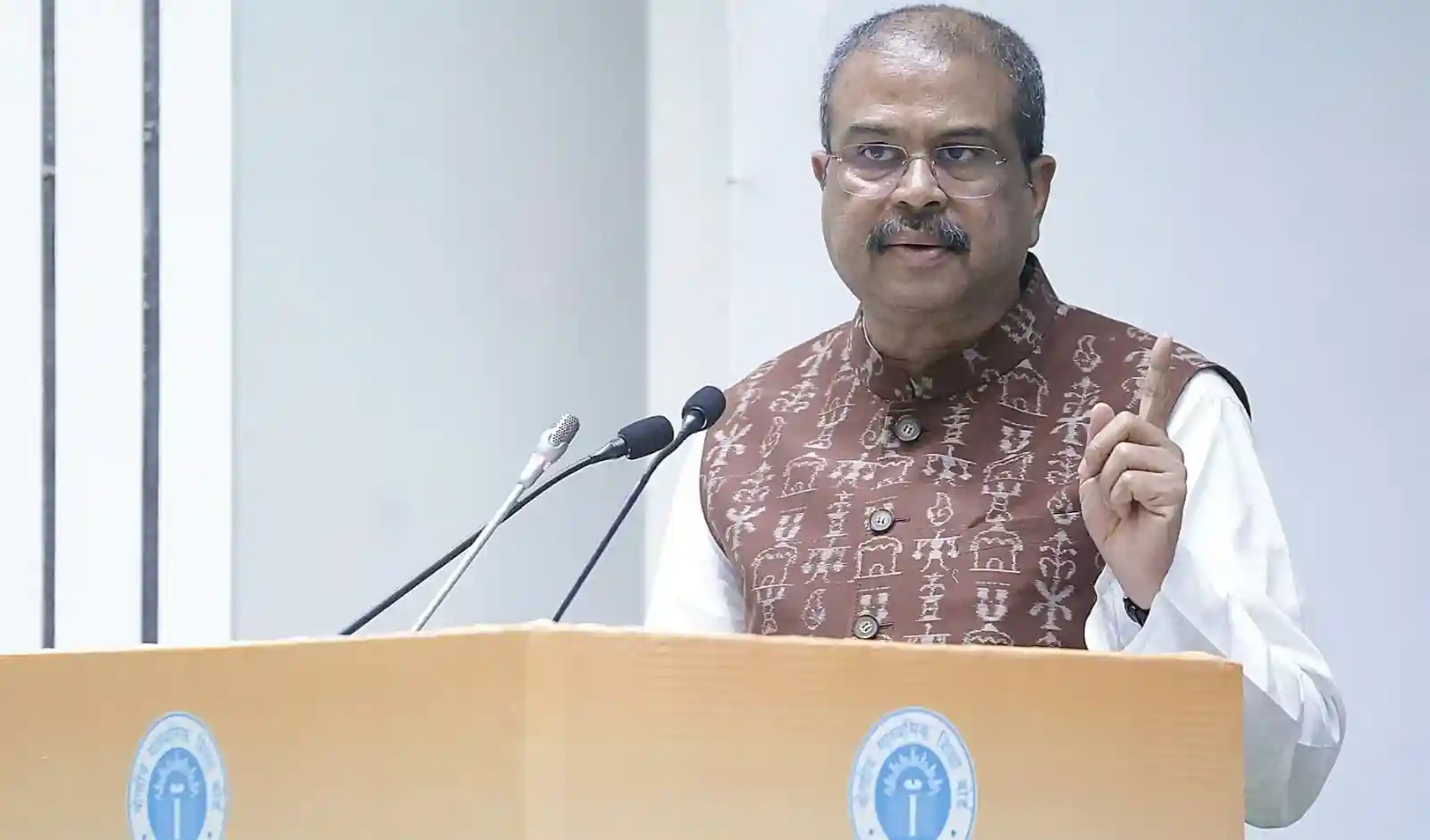
While launching the CT and AI curriculum for Classes 3 to 8 in New Delhi, the Minister said that the course has currently been introduced in English, but it is essential to make it available in Indian languages in the future so that more students can benefit from it.
He also highlighted that India has the ability to adapt quickly due to its strong intellectual tradition and globally spread Indian talent (intellectual diaspora). Referring to great mathematicians like Aryabhatta and Madhav, he noted that they developed their ideas in their native languages. This reflects the importance of making modern technological knowledge like AI accessible in regional languages to ensure inclusive education.
Directions to NCERT for translation and implementation:
Dharmendra Pradhan directed NCERT to coordinate with state education bodies to translate and implement the curriculum in various Indian languages at the earliest. He stressed that efforts should be made to roll it out across as many states as possible within the current academic session so that students can benefit in time.
New curriculum to be implemented in CBSE schools:
On the occasion, Minister of State for Education Jayant Chaudhary stated that the new CT and AI curriculum will be introduced in CBSE schools across the country. He added that this initiative aligns with NEP’s focus on introducing emerging technologies at an early stage and making learning more modern and practical.
Skill development and future readiness for students:
The curriculum, developed by CBSE, aims to build digital and analytical skills among students from Classes 3 to 8. It will introduce children to new technologies at an early stage, preparing them for future challenges. Additionally, the initiative will promote problem-solving, logical thinking and innovation, helping students access better opportunities in the technology sector.


